What Is a Commissary Kitchen, and What Does One Cost?
A commissary kitchen is a licensed commercial kitchen that food businesses rent. See who must use one, what it costs per hour and month, and how to choose.
A commissary kitchen is a licensed commercial kitchen that food businesses rent by the hour or by the month instead of building their own. In a 2023 survey of 161 kitchen operators, 76% charged between $10 and $29 an hour (The Food Corridor). Storage, deposits, and insurance come on top of that rate.
If you run a catering company, a meal prep service, a bakery, a food truck, or a packaged food brand, the kitchen question comes up early. This guide covers what the term means, who has to use one, what it costs, what a kitchen expects from you, and how to get finished food out the door on time.
Key takeaways
- A commissary kitchen is an approved commercial kitchen you rent. Health codes define it by function: the facility where mobile food units are cleaned, serviced, and stored.
- California, New York City, and Florida require food trucks to work from a commissary and report to it at least daily. Florida exempts self-sufficient vehicles.
- Hourly rates cluster low. In a 2023 survey, 42% of operators charged $20-29 an hour and 34% charged $10-19 (The Food Corridor).
- Most kitchens want proof of at least $1M in liability insurance, plus a food handler certificate (The Food Corridor, 2026).
- Kitchen time blocks end and storage is limited, so schedule delivery pickups when you schedule your kitchen hours.
What is a commissary kitchen?
A commissary kitchen is an approved commercial kitchen that a food business uses as its base without owning it. No single legal definition exists. Health codes define a commissary by function: it’s the approved facility where mobile food units are cleaned, serviced, and stored. In New York City, a commissary needs a Non-Retail Food Establishment Permit (NYC Health, 2025).
Everyday use is broader than the health code. In a 2023 survey of 161 operators, 60% called their business a commissary or commercial kitchen and 26% called it an incubator (The Food Corridor). The name covers more than truck and cart bases.
National counts are dated. A 2020 figure from The Food Corridor and Econsult Solutions puts the US total at “more than 600” shared kitchens, with a median of 10 to 19 members each. A 2026 industry report covers 244 operators in 45 states, but it’s paywalled, so no newer public count exists.
How does it differ from a shared kitchen, incubator, ghost kitchen, or co-packer?
The five terms overlap. What separates them is who makes the food and what comes with the space.
| Model | What it is | Who makes the food |
|---|---|---|
| Commissary kitchen | An approved facility where mobile food units are cleaned, serviced, and stored. In everyday use, a rented commercial kitchen. | You |
| Shared kitchen | Licensed commercial space rented to several food businesses | You |
| Incubator kitchen | A shared kitchen that adds education and business services | You |
| Ghost kitchen | A delivery-only kitchen with no dining room or storefront | You |
| Co-packer | “A manufacturer that will produce, package, and/or label a product for clients” | The co-packer |
The shared kitchen and incubator definitions come from The Food Corridor (2018). The co-packer definition comes from UF/IFAS Extension (2024). In the first four models, you or your staff do the cooking. With a co-packer, another company produces, packages, or labels the product for you.
Who has to use a commissary kitchen?
Food trucks and carts are the clearest case. Three sets of rules show the pattern.
| Place | What the rule says | Source |
|---|---|---|
| California | Mobile food units must operate out of a commissary, report there at least once each operating day, and be stored there. Restaurants may qualify as commissaries. | Sonoma County summary of CalCode sections 114295 and 114326 (2022) |
| New York City | Carts and trucks must be cleaned, serviced, and stored at an approved facility and returned to it at least daily. A Commissary Agreement is due at the pre-permit inspection. | NYC Health (2025) |
| Florida | Vehicles operate from an approved commissary and report to it at least daily. Self-sufficient vehicles are exempt. | Florida Rule 61C-4.0161, amended effective May 16, 2024 |
Two details stand out. In California, a restaurant may qualify as a commissary. In Florida, self-sufficient vehicles are exempt, so the rules clearly change from state to state. Read your state and county rules before you sign a kitchen contract.
These examples cover mobile units only. If you cater, prep meals, or make packaged food, ask your county health department what kind of facility your permit requires.
Who is exempt under cottage food rules?
Cottage food rules let some home-based food businesses work without a commercial kitchen. Texas is one example. A Texas cottage food operation that grosses up to $150,000 a year needs no local license or permit, and health departments cannot inspect it. Food handler training is still required. These terms come from SB 541, which took effect on September 1, 2025 (Texas DSHS).
That’s one state, not a national rule. Check what your own state allows from a home kitchen before you rent one or skip one.
How much does a commissary kitchen cost?
Most commissary kitchens charge $10 to $29 an hour. That range covered 76% of the 161 operators in the 2023 Shared Kitchen Operator Survey from The Food Corridor.
| Hourly rate | Share of operators (2023) |
|---|---|
| $10-19 | 34% |
| $20-29 | 42% |
| $30-39 | 13% |
| $40 or more | About 6% |
What do real rate cards look like?
The hourly rate is one line on the bill. Two listings on The Kitchen Door, as of October 2026, show the others.
| Kitchen | Charge | Published price |
|---|---|---|
| Pikes Peak United Way Community Kitchen (Colorado) | Commissary membership: health department letter, 1 hour a week, water, waste disposal | $100 a month |
| Pikes Peak | Kitchen time plans | $200 for 10 hours, up to $700 for unlimited use |
| Pikes Peak | One-time use | $35 an hour |
| Pikes Peak | Extra half-shelf of storage | $50 dry, $75 cold |
| Pikes Peak | Application fee, deposit, cleaning | $50, $200, $20 a month |
| Mount Vernon Commissary Kitchen (Washington) | 5-hour block | $60 |
The Pikes Peak listing works out to $20 an hour on the 10-hour plan, against $35 an hour for one-time use. Committing to a plan saves $15 an hour. The Mount Vernon listing works out to $12 an hour. Sources disagree on Mount Vernon’s monthly plans, so they’re left out here.
Here’s a worked example. A baker who starts at Pikes Peak on the 10-hour plan pays $200 for kitchen time, $20 for cleaning, a $50 application fee, and a $200 deposit. That’s $470 to begin. One extra half-shelf of cold storage brings it to $545.
What costs sit outside the hourly rate?
Storage, fees, and compliance add to the hourly figure. Dry, refrigerated, and frozen storage are billed separately, and deposits and orientation fees are common. Off-peak slots may be cheaper, so ask which hours count. Liability insurance runs $300 to $500 a year, and ServSafe Manager certification costs about $195 (The Food Corridor, 2026).
What does a commissary kitchen ask of a tenant?
A kitchen wants proof that you’re insured and trained before it lets you cook. Most kitchens ask for three things (The Food Corridor, 2026):
- Proof of general and product liability insurance, with at least $1M in coverage
- The kitchen named as an additional insured on the policy
- A food handler certificate or ServSafe Manager certification
Individual kitchens add their own lists. As of October 2026, the Mount Vernon Commissary Kitchen listing requires a county food permit, a business license, a food handler card, insurance, and ID.
How do you find and choose a commissary kitchen?
Start with a directory, then compare kitchens on the full bill and the schedule. The Kitchen Door, a directory run by The Food Corridor, lists “thousands” of kitchens, and both rate cards above come from its listings.
Ask every kitchen the same questions:
- Can you give me a commissary agreement or health department letter if my permit needs one?
- What do dry, refrigerated, and frozen storage each cost?
- What are the application, deposit, orientation, and cleaning fees?
- Are off-peak hours cheaper?
- How many other businesses share the space, and how are time blocks booked?
- Where do couriers load, and can they collect orders after my block ends?
Two notes on that list. A kitchen address can receive ingredient deliveries (The Food Corridor, 2026), so ask how they’re handled. And location affects delivery price, so run each kitchen’s address through the delivery cost calculator before you choose.
How do you get finished food from the kitchen to customers?
Plan the pickup when you book the kitchen. Your time block ends at a fixed hour, and storage is limited and billed separately, so finished orders can’t sit on a shelf until a driver is free.
Say your 5-hour block runs from 6 a.m. to 11 a.m. A pickup set for 10:30 leaves time to load and clean up. A pickup set for noon leaves orders with nowhere to go.
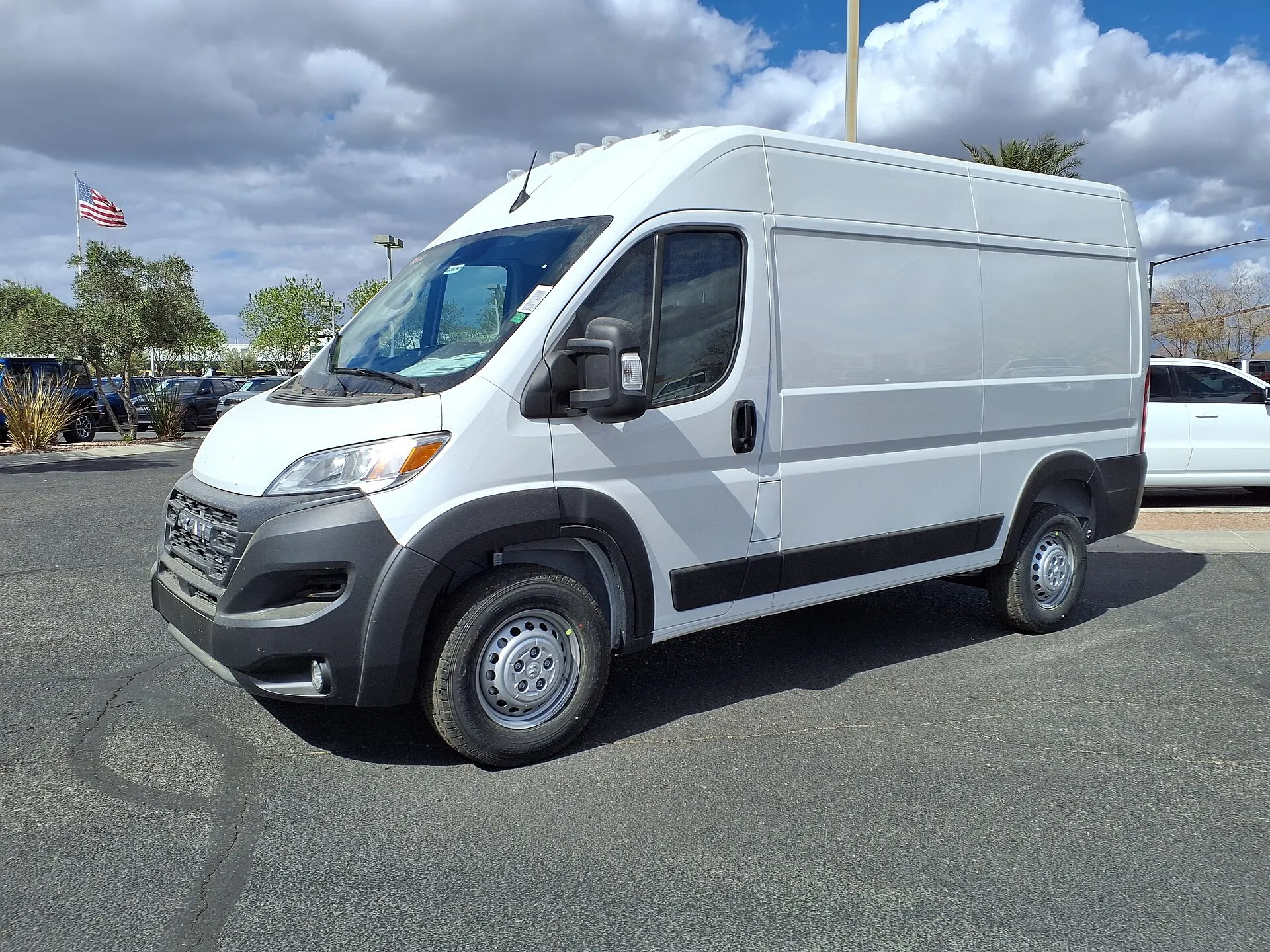
We offer scheduled and recurring pickups, so the courier is on the calendar for each production day. Multi-stop routes let one vehicle carry a morning’s orders to many addresses, and routes of 20 or more stops are common. Our couriers drive SUVs, minivans, and cargo vans. We don’t run refrigerated vans, but temperature-controlled delivery options are available. Every delivery comes with live tracking and a proof-of-delivery photo.
How that works depends on what you make:
- Meal prep companies can put a week’s orders on one recurring route with a meal prep delivery service.
- Caterers can schedule a cargo van for the hour an event order leaves, using a catering courier service.
- Bakers can book early pickups for wholesale and custom orders through a bakery delivery service.
- Packaged food makers can send cases to stores with food and beverage delivery.
Delivery cost depends on distance and drive time, the number of stops, vehicle size, and how soon the pickup is. Enter the kitchen address and a typical dropoff in the delivery cost calculator for a price range in about a minute. We have city pages for 100 US metro areas, including a courier service in New York City and a courier service in Los Angeles.
Frequently Asked Questions
How much does a commissary kitchen cost per month?
It depends on hours and storage. As of October 2026, one Colorado kitchen lists a $100 monthly commissary membership and plans from $200 for 10 hours up to $700 for unlimited use (The Kitchen Door). Deposits and storage are extra.
Do food trucks have to use a commissary?
It depends on the state. California (Sonoma County, 2022), New York City (NYC Health, 2025), and Florida (Rule 61C-4.0161, 2024) all require mobile units to operate from an approved commissary and report to it at least daily. Florida exempts self-sufficient vehicles, so check your own state’s rule.
Can I use my home kitchen instead?
Sometimes. In Texas, a cottage food operation grossing up to $150,000 a year needs no local license or permit (Texas DSHS, in effect since September 1, 2025). Rules differ by state, so check yours first.
What is the difference between a commissary kitchen and a ghost kitchen?
A commissary is the approved base where mobile food units are cleaned, serviced, and stored, and in everyday use a rented commercial kitchen. A ghost kitchen is a delivery-only kitchen with no dining room or storefront.
What insurance and licenses do I need to rent one?
Most kitchens want proof of general and product liability insurance of at least $1M, with the kitchen named as an additional insured (The Food Corridor, 2026). You’ll also need a food handler certificate or ServSafe Manager certification.
What is a commissary agreement letter?
It’s the document that ties your business to a named commissary. In New York City, mobile vendors must present a Commissary Agreement at the pre-permit inspection (NYC Health, 2025). The Pikes Peak kitchen above includes a health department letter in its membership.
The Bottom Line
A commissary kitchen gives a food business licensed space without the cost of building it. Most operators charge $10 to $29 an hour, but the real bill includes storage, deposits, cleaning fees, and a $1M liability policy. Check your state’s rules first: a food truck in California, New York City, or Florida generally needs a commissary, while a Texas cottage food baker may not need a rented kitchen at all. Then treat delivery as part of the kitchen decision, because your time block and your shelf space both run out. To see what routes from a kitchen address would cost, use the delivery cost calculator.