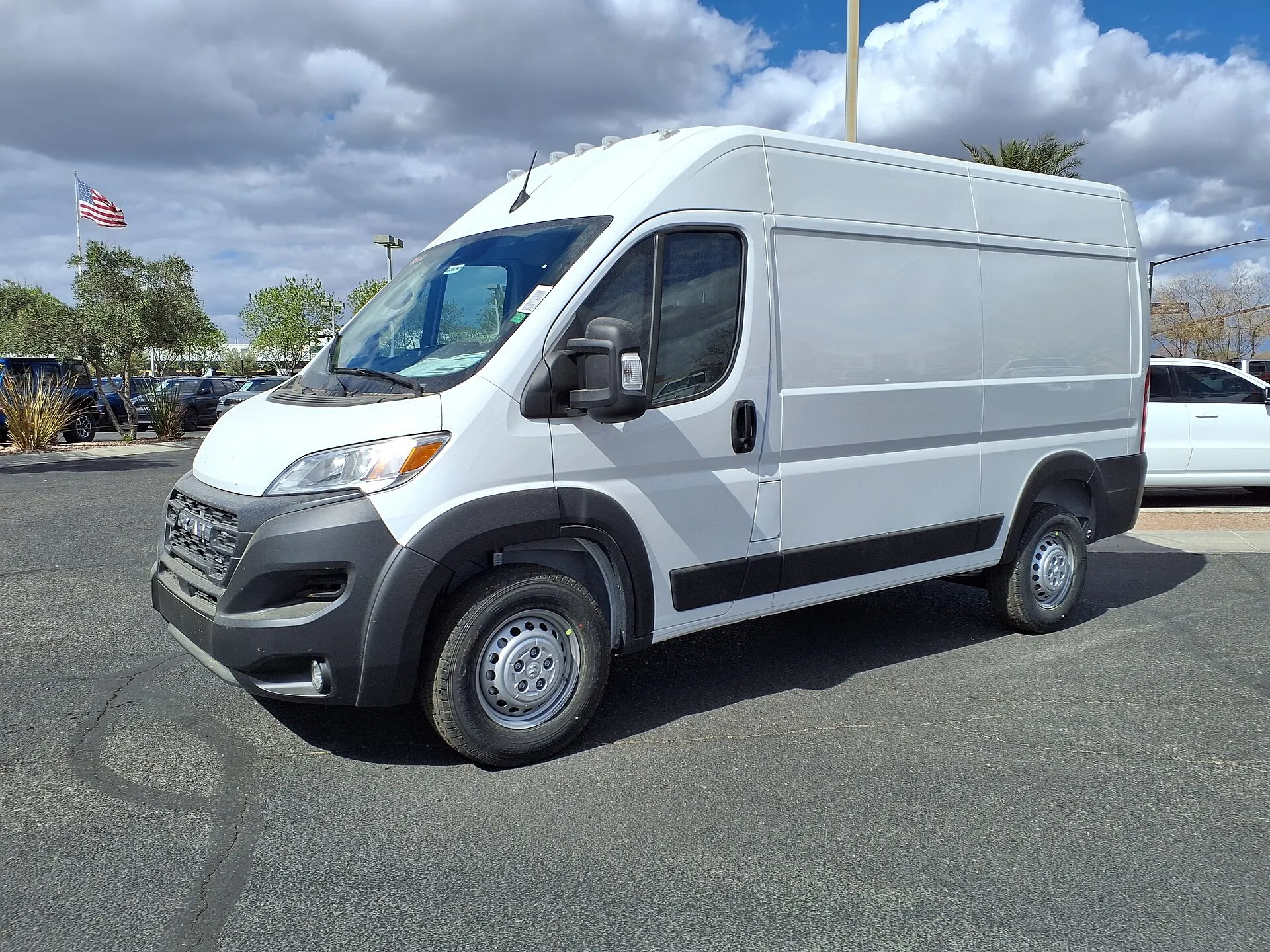
Direct Store Delivery (DSD): How Small Brands Get on Shelves
Direct store delivery (DSD) explained for small food and beverage brands: what stores expect at the back door, what it costs, and when to use a distributor.
Direct store delivery (DSD) means you, the maker, deliver your product to each store yourself instead of sending it through a retailer’s warehouse or a wholesaler. For a small food or beverage brand, that usually means a weekly route: you bring the order to the back door, hand over an invoice, and often stock the shelf before you leave.
The driving is the easy part. The work sits around it: the paperwork a grocer wants before the first order, the receiving rules at the dock, and a route that has to pay for itself. This guide covers each piece for a coffee roaster, bakery, sauce maker, or kombucha brewer selling to independent grocers, cafes, and regional chains.
Key takeaways
- Direct store delivery skips the warehouse: the maker delivers to each store and often stocks the shelf.
- Most grocers ask for $1 million or more in liability insurance, a federal tax ID, UPC codes, and an invoice with every delivery (NC State Extension).
- A distributor takes over warehousing and driving for a fee. One university source puts it at 10-18% (Oregon State University), and margins vary.
- For your own route, the 2026 IRS mileage rate (72.5 to 76 cents a mile) and the BLS median driver wage ($21.13 an hour, May 2025) are useful benchmarks.
- Cluster stops and set a minimum order so every store covers the cost of reaching it.
What is direct store delivery?
Direct store delivery is a supply method in which the maker delivers to individual stores, not a central warehouse, and skips the wholesaler (NC State Extension, 2016, revised February 2026). The two alternatives both put a stop in the middle.
Direct store delivery vs warehouse and distributor delivery
With warehouse delivery, you send pallets to the retailer’s distribution center and the retailer moves them to its stores. With a distributor, another company buys your product, warehouses it, and delivers it with other suppliers’ goods.
| Direct store delivery | Retailer warehouse | Distributor | |
|---|---|---|---|
| Where your product goes | Each store’s back door | The retailer’s distribution center | The distributor’s warehouse |
| Who makes the store drop | You or your driver | The retailer | The distributor |
| What receiving involves | Store check-in and an invoice at every drop | Scheduled appointment, PO number, wrapped pallets | An insurance certificate and an invoice per order |
| Typical fit | Fresh or fast-turning product in small drops | Pallet volumes | Brands that have outgrown their own route |
Warehouse receiving is built for truckloads. As of October 2026, Wegmans requires scheduled appointments at its distribution facilities, a PO number at the security check-in, and shrink-wrapped pallets (Wegmans). A brand dropping six cases at a time fits the back door better.
Which products go DSD, and why?
Products that need frequent restocking go DSD. The typical suppliers are beverage, bread, snack, and fresh or perishable vendors.
Utz shows the model at full size. Its annual report for the fiscal year ended December 28, 2025 counts about 2,500 DSD routes serving more than 84,700 stores, and it cites freshness, shelf space, and merchandising as the reasons (Utz 10-K).
Those reasons hold for a bakery with one van. Whoever delivers sees the shelf every week and can rotate stock, fill gaps, and protect your space.
What the 2008 GMA study found
The most-quoted DSD numbers are old. The Grocery Manufacturers Association’s 2008 study, “Powering Growth Through Direct Store Delivery,” found that DSD made up 24% of grocery unit sales and 52% of retail profits, and covered 7 of the top 10 categories, as reported that August by AusFoodNews.
We found no newer national figure, so read those numbers as history, not as today’s market.
What does a store expect at the back door?
A store expects you to arrive ready: invoice finished, product counted, no hold-ups for the receiver. If you’re selling to grocery stores for the first time, ask each buyer for the vendor guide before your first drop.
Save Mart publishes its rules, which makes it a handy example. As of October 2026, its DSD guide says (Save Mart):
- Suppliers check in by NEX or a receiver scan at the back door.
- Deliveries use the rear docks only.
- Invoices are finished before you meet the receiver.
- Returns and credits are processed before the delivery is accepted.
- No more than three suppliers are staged at once.
- Drivers who stock shelves open every case first.
Other chains differ. Whole Foods takes applications through its Supplier Portal, requires products to meet its Quality Standards, and runs a program for local brands called LEAP, but it doesn’t publish DSD receiving rules (Whole Foods Market).
DEX, NEX, and scan-based trading in plain words
- DEX: the driver’s handheld connects to the store’s back-room system, and the two exchange the invoice on the spot.
- NEX: the same data, sent between the two companies’ head offices. Both definitions come from a 2007 Supermarket News article. It’s old, but Save Mart’s current guide still uses the term.
- Scan-based trading: the supplier is paid when the item scans at the register, not when it’s delivered. Kroger, for example, sends its scan-based vendors sales data (units sold and cost) daily or weekly (Kroger).
What do you need before your first delivery?
Stores want to see a proper vendor setup before your product crosses the dock. NC State Extension’s DSD guides for small producers (2016, revised February 2026) list the basics (milk guide, meat guide):
- Liability insurance. Most grocers ask for $1 million or more, and some ask for up to $4 million.
- A federal tax ID.
- UPC codes on every item.
- An invoice with each delivery.
- A product guarantee. You remove out-of-date items and issue credit for them.
- A shelf plan. Some stores expect the vendor to stock the shelf.
Price with all of that in mind. The same guides put the typical retail mark-up at 25-35% and suggest budgeting about 5% for loss.
The rules to know
Four rules touch most small DSD vendors.
- FDA facility registration. Facilities that manufacture, process, pack, or hold food must register with FDA and renew between October 1 and December 31 of each even-numbered year. There’s no fee (FDA, September 2026). 2026 is an even year, so the window is open now.
- Cold holding. Under the FDA Food Code, cold food is held at 41°F or below (FDA). Pack and load around that number.
- Sanitary transportation. FDA’s transport rule requires temperature control and exempts shippers and carriers with less than $500,000 in annual revenue (FDA). Exempt or not, cold product still has to arrive cold.
- Alcohol. Self-distribution rules vary by state, so check with your state liquor board before delivering alcohol yourself (Brewers Association).
Should you self-distribute or use a distributor?
Self-distribution keeps the store relationship in your hands. A distributor trades part of your price for reach you don’t have to drive.
Distributors buy your product, combine it with other suppliers’ goods, warehouse it for up to a week, and deliver it. They ask for an insurance certificate and an invoice with each order, and their margins differ by customer (NC State Extension, revised 2023).
Oregon State University’s PACE program puts distributor fees at 10-18% (Oregon State University). That’s one source’s range, not a national average, and margins vary by distributor and product.
| Self-distribution (DSD) | Distributor | |
|---|---|---|
| Who delivers | You, your driver, or a courier you book | The distributor |
| Where product waits | Your facility | The distributor’s warehouse, up to a week |
| What it costs | Vehicle, labor, insurance, your time | A share of the price (10-18% in one source) |
| Limit | The stops your route can cover | The stores the distributor serves |
A week in a warehouse is fine for hot sauce and hard on fresh bread, so shelf life often decides this for you.
What does delivering to stores yourself cost?
Count every line, not only fuel. Penn State Extension’s 2025 guide lists fuel, tires, labor, repairs, insurance (including spoilage), registration, depreciation, and financing (Penn State Extension).
Two public figures make fair benchmarks:
| Cost | Benchmark | Source |
|---|---|---|
| Vehicle, per mile | 72.5 cents (January to June 2026), 76 cents (July to December 2026) | IRS business mileage rate |
| Driver, per hour | $21.13 median pay (May 2025) | BLS |
Here’s an illustration with made-up route numbers. A 40-mile loop with eight stops takes three hours. At 76 cents a mile the vehicle costs $30.40, and three hours at $21.13 comes to $63.39. That’s $93.79, or about $11.72 a stop. A store ordering $60 of product has spent nearly a fifth of the order on getting it there.
Penn State’s advice is to cluster stops and set a minimum order. Put stores in the same area on the same day, and don’t keep a stop that costs more to reach than it earns. To price the same loop as a booked route, try the delivery cost calculator.
How do you run the weekly store route?
You have two workable options: drive the route yourself, or book a scheduled courier route.
Your own vehicle gives you the most contact with each store. You or an employee see every shelf and talk to every receiver. The cost is every line listed above, plus a production day spent on the road.
A scheduled courier route hands off the driving. With our service, you book a recurring multi-stop route, a cargo van collects from your facility, and the courier works through your stores in order. Routes of 20 or more stops are common. Each stop gets a delivery note and a proof-of-delivery photo, and you can follow the van with live tracking.
You can keep the same couriers on the route, too. You rate each delivery and keep a preferred list, and preferred couriers are offered your next pickup first.
Plan around two things. We don’t run refrigerated vans, though temperature-controlled delivery options are available, so ask when you book if your product has to stay at 41°F. And decide who owns shelf checks and credits for out-of-date items, because the store will still expect them.
Our pages on courier service for food and beverage brands, wholesale delivery, and bakery delivery have more detail. We have city pages for 100 US metro areas (all locations), from a courier service in Chicago to a courier service in Seattle. The price depends on distance, stops, vehicle size, and timing, and the delivery cost calculator gives a range in about a minute.
Frequently Asked Questions
What is direct store delivery?
Direct store delivery (DSD) is when the maker of a product delivers it to individual stores instead of a central warehouse, skipping the wholesaler (NC State Extension). The vendor brings an invoice with each drop and often stocks the shelf.
How does DSD differ from warehouse or distributor delivery?
DSD goes to each store’s back door in small, frequent drops. Warehouse delivery goes to the retailer’s distribution center on pallets, by appointment. A distributor buys your product, warehouses it for up to a week, and delivers it for you (NC State Extension, revised 2023).
Do I need a distributor to sell to grocery stores?
No. Direct store delivery is selling to stores without a wholesaler. A distributor starts to earn its fee, 10-18% in one university source (Oregon State University), when you want stores your own route can’t reach.
What do stores require from a DSD vendor?
Most grocers ask for liability insurance of $1 million or more, a federal tax ID, UPC codes, and an invoice with each delivery (NC State Extension, revised 2026). Chains add their own receiving rules, so ask for the vendor guide.
Who pays for product that goes out of date?
The vendor does, wherever the store asks for a product guarantee. Under one, you remove out-of-date items and credit the store for them. NC State Extension suggests budgeting about 5% for loss (NC State Extension).
The Bottom Line
Direct store delivery is the shortest route from your production floor to a store shelf, and you can start it with one vehicle. Get the paperwork ready first: insurance, a tax ID, UPC codes, and a clean invoice. Learn each store’s back-door routine. Price in the store’s mark-up, some loss, and the real cost of every stop, then cluster your route and hold a minimum order. Drive it yourself while it fits your week, and hand it to a distributor or a scheduled courier route when it doesn’t. To see what a booked route would cost for your stores, enter a pickup and a dropoff address in the delivery cost calculator.